

Finding a new place is exciting, but the waiting can feel endless. You toured the ideal apartment and submitted your application with all your documents — now you’re left wondering how long the screening will take.
So, how long does it take to get approved for an apartment? While timelines vary by market and manager, many property managers respond within 24 to 72 hours after receiving an application — time they use to verify income, run background checks, and confirm rental history.
Sometimes you’ll hear back in just a few hours when landlords use automated tenant-screening platforms (credit and background services). Other times, the process stretches longer if previous landlords are slow to reply, a background check flags an issue, or the manager needs extra documentation.
Knowing typical timeframes and the things that cause delays lets you plan your move and cut anxiety. To speed things up, have your proof of income, ID, and other key documents ready so you can respond quickly if the property manager requests details.
How Long Does It Take to Get Approved for an Apartment?
Knowing how long an apartment application typically takes helps you plan your move and avoid surprises. While timelines vary by market and manager, most applicants hear back within 24 to 72 hours; below are common ranges and why they differ.
Typical Apartment Approval Timeframes
Apartment approval timeframes depend on how the property handles applications and how complete your submission is.
Same-Day to 24-Hour Approvals
Some apartments are approved in 24 hours (sometimes same-day) when property managers use fast, automated tenant-screening tools and the rental application includes all required documents and proof of income.
Two to Three Business Days
More often, the approval process takes two to three business days. That window gives property managers time to review applications, run background and credit checks, and verify employment and rental history.
One Week or Longer
Approvals can take longer than a week when complications arise — for example, when previous landlords are slow to respond, when additional documentation is requested, or when a manager is handling a high volume of applications.
Factors That Influence Approval Speed
Several factors affect how quickly your rental application moves through the process.
Property Management Size and Resources
The size and systems of the property or management company matter. Larger property managers and companies with dedicated screening teams or software often process applications faster than small landlords who rely on manual checks.
Application Completeness
A complete application speeds things up. Submitting the rental application with current pay stubs, ID, and landlord references reduces back-and-forth and helps the manager make a decision sooner.
Understanding the Apartment Approval Timeline
Knowing the apartment approval timeline helps you plan and respond quickly during the rental application process. The workflow typically moves through several stages — from the initial application review to background checks, income verification, and the final decision.
Initial Application Review Phase
The initial application review is the first step and usually takes a few hours up to 48 hours depending on the property manager and workload. It includes two main actions:
Application Submission and Fee Payment
The process starts when you submit the rental application and pay any required screening fee. That fee usually covers processing costs and the third-party checks landlords run (credit and background checks). Note: some jurisdictions cap screening fees, so check local rules if unsure.
Basic Information Verification
Once submitted, the landlord or property manager confirms basic applicant information — name, contact details, and the rental application’s core facts. Having accurate details speeds this step and reduces follow-up requests.
Background and Credit Check Process
Background checks and credit reviews are central to the approval timeline. These checks can take anywhere from a few hours (when automated) to several days if manual review is needed.
Credit Score Evaluation
Landlords review your credit history and score to assess financial reliability. A solid credit record improves approval odds; if your score is low, be ready to provide context or alternate proof of rent-paying ability.
Criminal Background Screening
Many managers run criminal background screenings to evaluate rental risk. Allowed screening scope varies by state and locality, so landlords must follow local laws on what they can consider.
Rental History Investigation
Verifying rental history means contacting previous landlords or checking past addresses for evictions or unpaid rent. If previous landlords are slow to respond, this step can add days to the timeline.
Employment and Income Verification
Verifying employment and income proves you can pay rent and is often decisive for approval.
Contacting Employers
Some landlords call employers directly to confirm job status and salary; others accept written verification. If an employer is hard to reach, provide recent pay stubs or a reference letter to speed verification.
Reviewing Pay Stubs and Bank Statements
Landlords commonly request recent pay stubs (usually the last two or three) and recent bank statements as proof of income. PDFs of pay stubs, digital bank statements, or tax returns (for self-employed applicants) are acceptable formats.
Final Decision Stage
In the final decision stage the manager or landlord evaluates all gathered information and makes a call. This step typically involves:
- Reviewing credit and background check results
- Assessing rental history, employment, and income documents
- Balancing any risks (credit issues, gaps in rental history) against available mitigation (co-signer, larger deposit)
Understanding each step and what documents speed verification — pay stubs, bank statements, ID, and references — lets you prepare a stronger rental application and respond quickly if the property manager asks for more information.
 Clear Signs You Got Approved for an Apartment
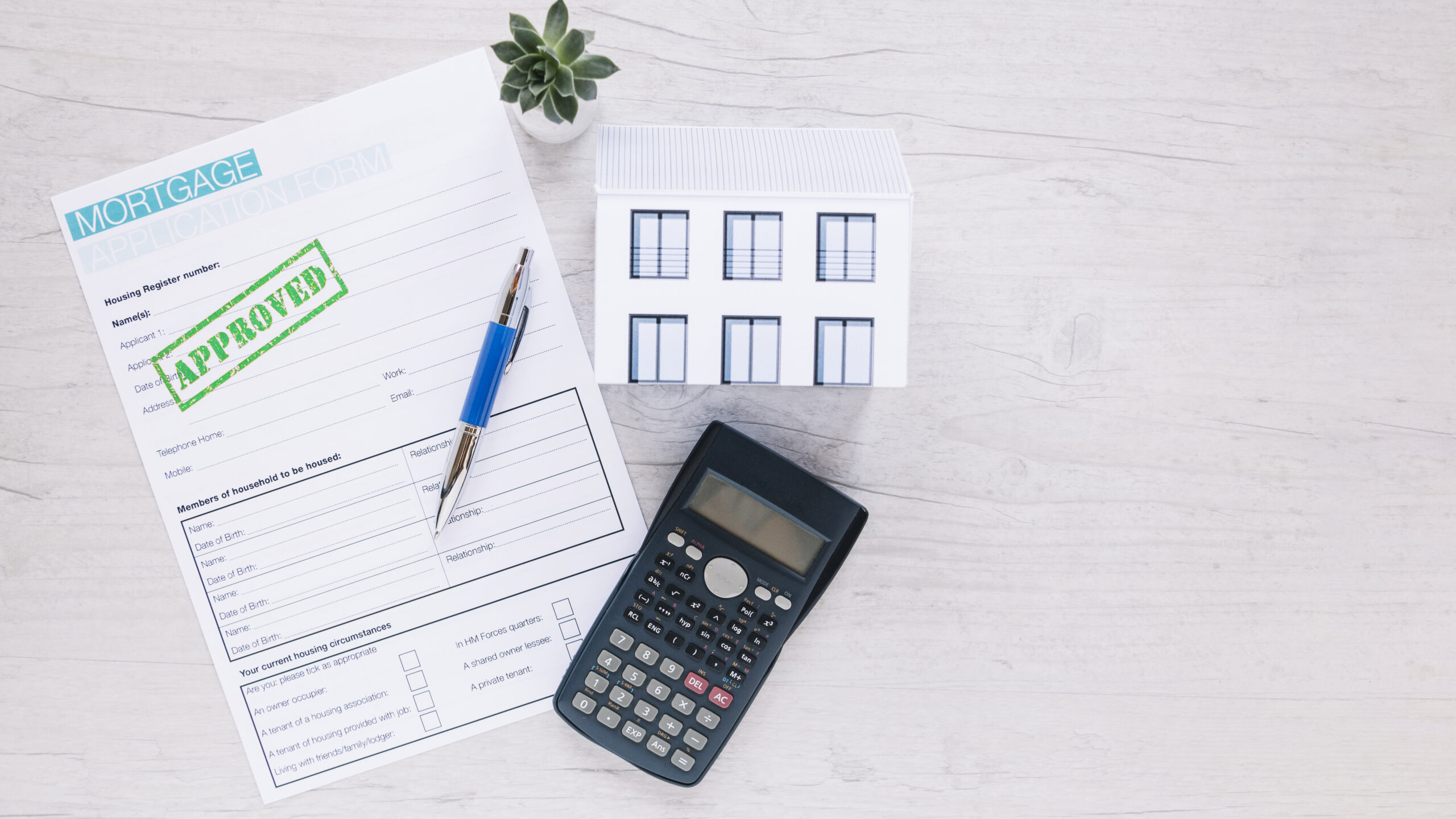
After you submit a rental application, waiting is normal — but there are clear, concrete signs that mean you’ve been approved. Recognizing them helps you prepare for lease signing and moving day.
Official Approval Communications
The first indication is official contact from the landlord or property manager. Approval usually arrives in one of these forms:
Email or Phone Call Confirmation
An email or phone call is often the earliest notification that you’ve been approved. Typical approval messages include the move-in date, required security deposit and first-month rent amounts, and instructions for signing the lease (often a secure link or portal).
Written Approval Letters
Some landlords still send formal approval letters by email or mail. Treat these letters as official documentation of approval and check them for lease terms and any conditions you must satisfy before moving in.
Lease Agreement and Move-In Details
Approval quickly leads to lease finalization and move-in planning. Watch for these next steps:
Receiving the Lease Document
You should receive a lease to review and sign. Read it carefully for rent amount, lease length, move-in date, pet policies, and any clauses about deposits or fees — and ask the landlord or manager to clarify anything unclear.
Move-In Date Coordination
The landlord or property manager will propose or confirm a move-in date and time. This coordination often happens by phone or via the leasing portal listed in your approval email.
Security Deposit and Payment Requests
Once approved, you’ll typically be asked to pay a security deposit and possibly the first month’s rent to hold the unit. Payment requests should come from a verified source (the property’s official portal or a known email from the manager).
Quick checklist — when you get approved:
- Confirm the approval email or call is from the listed landlord/property manager
- Review and sign the lease (read all terms)
- Pay the security deposit and any required rent via the property’s verified payment method
- Provide any remaining documents (renter’s insurance, ID, references) if requested
- Confirm move-in date and key pickup details
Before paying anything, verify the sender and payment link to avoid scams. If you need help interpreting lease terms or the approval conditions, ask the landlord or a trusted rental advisor — it’s better to clarify now than to face surprises later.
Common Reasons Your Application Is Taking Longer Than Expected
If your apartment application is taking longer than you expected, several common issues may be causing delays. Knowing these reasons helps you act fast and potentially shorten the wait.
Incomplete or Missing Documentation
Missing paperwork is one of the fastest ways to slow an application — this can add a few days while the manager chases down your files.
Missing Pay Stubs or Employment Letters
Not supplying recent pay stubs or an employment verification letter is a frequent hold-up. Landlords rely on these documents to confirm income; when you supply the last two or three pay stubs (PDFs are ideal), verification moves much faster.
Insufficient Identification Documents
Lacking proper ID — a driver’s license, state ID, or passport — can also delay processing. Provide clear, legible copies up front to avoid email back-and-forth.
Credit or Background Check Complications
Problems in credit reports or background checks can add days or even a week to the timeline while managers investigate or request explanations.
Errors on Credit Reports
Incorrect items on your credit report (balances, missed payments, or mixed files) can complicate approval. Review your credit report ahead of time and dispute errors through the credit bureaus to prevent surprises.
Complex Financial Situations
Self-employed applicants, freelancers, or those with multiple income sources often need extra documentation (tax returns, 1099s, bank statements). Gathering and submitting these takes extra time but helps landlords evaluate your rental application accurately.
High Application Volume
During peak rental seasons or in competitive markets, property managers receive many applications. High volume can push processing times from days into a week or more as staff work through each application.
Multiple Applicants or Co-Signers
Applications with several applicants or co-signers require separate credit and background checks for each person, which naturally lengthens the review time.
Mini-checklist — quick fixes to avoid delays:
- Assemble a rental packet: ID, last 2–3 pay stubs, recent bank statements, and landlord references (PDFs where possible).
- If self-employed, include recent tax returns or 1099s and clear bank statements.
- Check your credit report before applying and dispute errors early.
- Provide previous landlords’ contact info (phone/email) to speed rental history checks.
- Be ready to respond immediately if the property requests extra documents.
By preparing these items and anticipating potential complications, you reduce the chance your rental application will take longer than necessary. If a specific check is causing a delay (for example, previous landlords not responding), politely follow up with the manager to see if you can provide alternative references or additional proof to move the process along.
Proven Strategies to Speed Up Your Apartment Approval
You can shorten the approval timeline by preparing ahead and communicating proactively. The right documents and a clear approach make it easier for a landlord or property manager to review your application and decide to get approved.
Prepare Your Documentation in Advance
Gathering everything before you apply shows responsibility and speeds verification.
Create a Complete Rental Resume
Make a one-page rental resume that lists previous rental addresses (with dates), landlord contact info, current employment, and concise income details. A simple format — one line per rental with phone/email and dates — makes it easy for managers to scan.
- Previous rental addresses and landlord contact information (phone and email)
- Employment history and gross monthly income
- Two or three personal references
Gather Financial Documents
Provide clear proof of income to avoid delays: upload the last 2–3 pay stubs (PDF), two recent bank statements, or tax returns if you’re self-employed. These documents let property managers confirm you can pay rent.
- Pay stubs (last 2–3)
- Recent bank statements (last 1–2 months)
- Tax returns or 1099s for self-employed applicants
Compile these into a single “rental packet” PDF so you can attach it to applications quickly.
Obtain Reference Letters
Ask previous landlords or current property managers for short reference letters that confirm on-time rent and good stewardship of the unit. A recent, signed letter or an email from a manager speeds up rental history checks.
Follow Up Proactively with the Landlord
Polite, timely follow-up keeps your application from getting lost in a stack of forms.
Send a Polite Follow-Up Email
Try a brief message 48 hours after applying: “Hi — I submitted my rental application on [date]. I’m very interested in [property address]. Please let me know if you need any additional documents.” This keeps your application top of mind.
Call to Check on Status
If you haven’t heard back after an email, a short phone call can yield faster answers. Have your application reference (date submitted, unit) and the rental packet ready to email if they ask.
Address Credit Issues Upfront
If your credit isn’t perfect, be transparent and offer solutions so landlords can decide quickly.
Explain Credit Problems Honestly
Prepare a one-paragraph explanation for any credit items (medical debt, temporary unemployment) and include evidence of steady income or recent on-time payments.
Offer Additional Security Deposits
When legal in your area, offering a larger security deposit or a co-signer can reduce perceived risk and help you get approved faster. Confirm this option with the manager before sending money.
Consider Pre-Screening Services
Some property managers accept tenant pre-screening or background reports from reputable services. If you can get pre-approved through a recognized screening platform, mention it on your application to speed the decision.
Putting these steps together — a polished rental application, a ready rental packet (pay stubs, bank statements, IDs, references), and timely follow-up — improves your chances of a quick approval and helps you take get approved with less stress.
What to Do While Waiting for Apartment Approval
While you wait for apartment approval, stay proactive: keep searching, plan your move, and remain ready to provide any requested information. These steps reduce stress and help you act quickly when the property manager needs something.
Continue Your Housing Search
Don’t stop looking after you submit one rental application. Keeping options open gives you backups and bargaining power.
Keep Viewing Other Apartments
Keep touring apartments that match your criteria so you can compare offers and move quickly if one becomes available.
Submit Backup Applications
Consider filing additional rental applications for places you like, but track the extra application fees — multiple applications can add up. Choose backups strategically in case your first choice takes longer or falls through.
Plan Your Move Logistics
Use the waiting time to organize moving details so you’re ready when approval comes through.
Research Moving Companies
Compare local movers, read reviews, and get estimates. Booking early can save money and ensure availability on your preferred move-in date.
Start Decluttering and Packing
Begin sorting and packing nonessential items now. Donate or sell what you don’t need, label boxes, and create a simple inventory to make unpacking easier.
Stay Available and Responsive
Being reachable and quick to reply helps the landlord or property manager finish the application process faster.
Check Your Email and Phone Regularly
Monitor your email and voicemail for messages about your apartment application or requests for documents.
Respond Quickly to Requests
If the manager asks for extra documents or references, send them immediately. Prepare a scanned “rental packet” (ID, pay stubs, bank statements, references) so you can email information without delay.
Conclusion
Navigating the apartment approval process doesn’t have to be stressful — knowing the typical timelines and the steps involved sets realistic expectations and helps you move faster. Preparing your documents, following up with the landlord or property manager, and addressing any credit concerns up front will streamline your application.
To recap, the application typically passes through these stages: initial application review, background and credit checks, employment and income verification, and the final approval decision. Being prepared for each step reduces delays and improves your chances of getting approved.
If you’re unsure or need extra help, consider reaching out to a tenant advisor or a local housing resource for guidance. Start by assembling a rental packet (ID, pay stubs, bank statements, and references) and check your credit report today — small steps now can make the approval process much smoother.
This content is provided for general informational and educational purposes only and does not constitute financial, legal, tax, or investment advice. Readers should consult with licensed professionals regarding their specific circumstances.
We are pledged to the letter and spirit of U.S. policy for the achievement of equal housing opportunity throughout the Nation. See Equal Housing Opportunity Statement for more information.
